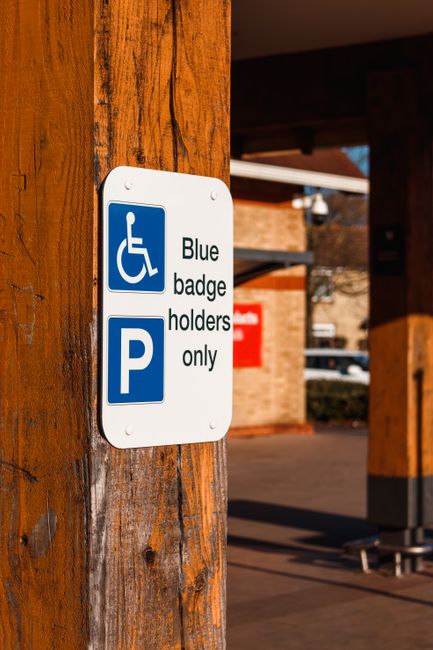
Cassiobury Park removals parking and access guide WD17
Posted on 27/07/2026

If you are planning a move near Cassiobury Park, you already know the tricky part is not always the lifting. It is the parking, the access, the timing, and the little surprises that appear the moment a removal van turns into a busy residential street. This Cassiobury Park removals parking and access guide WD17 is designed to help you avoid those headaches and keep moving day calm, tidy, and efficient. Whether you are leaving a flat, moving into a family home, or coordinating a same-day handover, getting the vehicle position right can save time, money, and a fair bit of stress.
To be fair, most people only think about the furniture until the van arrives. Then the real-world stuff kicks in: permit restrictions, narrow roads, neighbour access, kerb space, loading distance, and whether a large vehicle can safely sit outside the property for long enough to do the job properly. Let's walk through it properly, with practical detail and a few local realities that matter in WD17.
Why Cassiobury Park removals parking and access guide WD17 Matters
Moving near Cassiobury Park is a little different from moving on an open suburban road with easy double parking. The area attracts a mix of family homes, flats, older terraces, and busier commuter streets, which means access can be tight even when the property itself looks straightforward. A van that cannot park close enough to the entrance creates extra carrying distance, extra time, and extra risk of damage. That matters when you are trying to move sofas, wardrobes, white goods, or anything awkwardly shaped.
Parking and access also shape the whole tone of the day. If the vehicle is in the wrong place, you can end up blocking traffic, annoying neighbours, or needing to stop and restart the move several times. If the access plan is good, the job flows. Boxes come out in a clean rhythm, the route from doorway to van stays short, and everyone feels more in control. Sounds simple. In practice, it often is not.
For many local moves, the most useful preparation is not simply choosing a bigger van. It is understanding the street layout, the entrance width, where the vehicle can legally wait, whether there are yellow lines, and how the loading plan works when you are managing a narrow front garden path or a shared driveway. If you want broader context around how removals are planned in the town, the site's services overview and removals in Watford pages are useful starting points.
How Cassiobury Park removals parking and access guide WD17 Works
At a practical level, the guide is about matching the removal vehicle to the property and the street. That means thinking through three things together: where the van can stop, how close it can get to the door, and whether the loading route is safe for the crew and your belongings. If one of those pieces is off, the rest of the plan starts to wobble.
In the Cassiobury Park area, you may see a few common access patterns. Some properties allow driveway parking. Others need kerbside loading only. Flats may involve shared entrances, stairwells, or limited turning space. A large removal van may be ideal for volume, but a smaller vehicle can sometimes fit the street better and reduce the time spent shuffling position. There is no magic answer. It depends on the address, the day, and how much you are moving.
Good removal planning usually starts before moving day. A short pre-move assessment, even if it is only a quick conversation and photos, can identify issues like low hanging branches, tight corners, basement steps, or blocked access near school-run hours. If the move is especially time-sensitive, same-day removals in Watford can also be relevant, because fast moves need tighter parking coordination, not looser planning.
One thing people sometimes forget: access is not just about the van. It is also about the furniture pathway inside the property. You can have a perfect parking spot and still struggle if the hallway turns sharply or the staircase is awkward. The outside and the inside have to work together. Annoying, but true.
Key Benefits and Practical Advantages
Getting parking and access right near Cassiobury Park gives you more than convenience. It improves the whole move in ways that are easy to feel on the day.
- Less carrying distance: The closer the vehicle is to the entrance, the quicker the loading cycle.
- Lower damage risk: Shorter routes mean fewer bumps, less strain, and fewer dropped corners on furniture.
- Better time control: A good parking plan keeps the move on schedule, which matters if you have keys to hand over.
- Less neighbour disruption: Careful positioning helps avoid blocking gates, driveways, or passing traffic.
- Safer handling: Tighter access planning reduces rushed lifting and awkward manoeuvres.
There is also a quiet financial benefit. If a move takes longer because the crew has to park farther away, make repeated trips, or re-route the van, that time can be felt in the final cost or in the overall efficiency of the booking. It is the sort of thing that seems minor until the first chair has to be carried around the corner three times.
For people comparing service types, a local man with a van in Watford can be a smart option for lighter loads or simpler access, while larger homes may suit a fuller team and vehicle setup such as house removals in Watford. If you are moving from a flat, flat removals may be a better fit because the access challenges are often more predictable.
Who This Is For and When It Makes Sense
This guide is useful for anyone moving in or around the WD17 Cassiobury Park area, but a few groups benefit the most.
- Home movers: Families and couples with larger furniture need parking that supports fast, safe loading.
- Flat movers: Apartment residents often face stair access, shared entryways, and limited waiting space.
- Landlords and tenants: End-of-tenancy moves usually run to a deadline, so access planning matters.
- Students: Smaller moves still need efficient vehicle positioning, especially on busy streets or during term changeover.
- Office relocations: Even a small office move can create access issues if equipment, files, and furniture must be moved quickly.
If you are moving because you have bought a new place, or you are trying to line up completion day with a clean handover, the broader property context can help too. Articles like buying real estate in Watford and navigating Watford's property market are useful if you are still in the planning stage.
And yes, sometimes the move is just a move. No drama, no huge furniture, no long distance. Even then, getting the street access right means fewer surprises. It is the kind of boring preparation that ends up feeling rather clever.
Step-by-Step Guidance
Here is the practical version. Not glamorous, but it works.
- Check the street first. Look at the width of the road, any bends, and whether a van can stop without blocking access.
- Identify the nearest legal loading point. If there are yellow lines, parking bays, or restrictions, plan for them before moving day.
- Measure the access route. Door width, hallway turns, stair landings, and garden gates all matter.
- Note anything awkward. Low ceilings, steep steps, tight corners, intercom systems, or shared entrances should be flagged early.
- Decide on the vehicle size. A larger van may reduce trips, but a smaller one might fit the street and loading bay better.
- Prepare the parking space. Keep the area clear if you control it. Move bins, cars, garden obstacles, and anything that might get in the way.
- Brief everyone involved. Make sure the driver, movers, and anyone in the property know where the van should sit and which door to use.
- Protect the route. Use floor coverings or cardboard where needed, especially on polished surfaces or tight stair edges.
- Load in the right order. Put bulky and heavy items near the van first if they are easiest to access from the main entrance.
- Keep a backup plan. If the closest space is taken, have a second parking option in mind. It saves a lot of staring at the pavement.
A small but useful habit is to take a few photos of the front of the property and the street before the move. Not for drama. Just for clarity. A good photo can show whether a driveway is usable, whether the turning space is tight, or whether a van can safely sit parallel to the kerb.
Expert Tips for Better Results
After enough moves, a few patterns show up again and again. These tips are the ones that tend to save time in real life.
Book the arrival time with the street in mind. If the road is busier in the morning because of commuters or school traffic, an afternoon slot may be smoother. If your move is on a weekend, be aware that parking can be busy in its own way, especially when people are home and using their drives.
Keep the van as close as reasonably possible, but not at the cost of safety. Sometimes people ask for the vehicle to sit in a position that saves ten seconds of walking but creates a bad angle for loading. That is rarely worth it. A slightly longer carry with a straighter route is often better.
Use smaller boxes for heavy items. This sounds basic, but it matters in awkward access situations. If a staircase is narrow or the hallway turns sharply, smaller, sturdier boxes are easier to manage.
Think about the weather. A dry morning and a damp one are not the same job. Rain makes steps slippery, and wet cardboard is nobody's friend. A few extra covers or wraps can make a real difference.
Tell the team about fragile access points. Some properties have banisters, lamp posts, tight porch steps, or shared gates that need a little extra care. Mention them upfront. You will notice the difference almost immediately.
If you are moving delicate or unusually heavy items, specialist help can be worth it. For example, furniture removals in Watford are useful when access is tight but the pieces still need careful handling, while piano removals need a very different level of planning and protection.
One more thing: keep a phone charged and accessible. Sounds obvious. Yet half the access confusion on moving day comes from someone standing at the wrong entrance while nobody can get hold of anyone. It happens.
Common Mistakes to Avoid
Most access problems are not disasters. They are just preventable. Here are the ones that show up most often.
- Assuming the van can park anywhere: What looks possible at 8 pm may be impossible at 10 am.
- Ignoring the height or width of the vehicle: Some roads feel wide until a long van tries to turn in.
- Forgetting about neighbours' driveways: Blocking someone in is the fastest way to turn a smooth move into a tense one.
- Leaving the access review too late: If the team only learns about the narrow gate on arrival, everyone loses time.
- Overpacking boxes: Heavy boxes are harder to carry through tight access and more likely to split.
- Not clearing the route inside the home: Shoes, rugs, toys, and loose items become trip hazards very quickly.
There is also the classic mistake of underestimating how long a simple move takes when parking is awkward. A two-bedroom flat with bad access can take longer than a larger house with an easy driveway. Not always, but enough to matter.
Tools, Resources and Recommendations
You do not need a stack of specialist equipment to manage moving-day access, but a few simple tools help enormously.
- Measuring tape: Useful for gates, hallways, and tight stair turns.
- Phone camera: Handy for access photos and quick communication.
- Furniture blankets and wraps: Reduce knocks in narrow routes.
- Basic floor protection: Especially helpful on hallways, stairs, or polished floors.
- Box labels: They make the unload side much faster when the van has to park a little farther away.
For packing support, the site's packing and boxes in Watford page is a useful companion resource. If your move is likely to involve temporary storage because parking, timings, or key handover do not line up cleanly, storage in Watford can be a sensible fallback.
If you are comparing providers, it helps to understand the difference between a focused local team and a broader moving setup. The company's removal services page explains the kind of support available, while removal companies in Watford gives extra context if you are weighing up options. For lighter, more flexible jobs, a man and van service may be enough. For bigger households, a more complete setup may be better.
Law, Compliance, Standards, or Best Practice
Parking and access for removals in the Cassiobury Park area should always be handled with care and common sense. Exact rules can vary by road, street signage, and local restrictions, so it is best not to guess on the day. In practical terms, that means checking for loading limitations, permit controls, double yellow lines, and any time-based restrictions before the van arrives.
Best practice also means keeping pavements, crossings, and neighbour access clear where possible. A removal should not create unnecessary obstruction, and it should not force unsafe lifting or pushing just to squeeze into a spot that was never suitable in the first place. If the closest space is unavailable, a slightly longer carry route is usually the safer answer. A lot safer, actually.
From an operational point of view, professional movers should think about health and safety as part of the access plan, not as a separate issue. That includes safe manual handling, sensible lifting team sizes, route clearing, and care around wet surfaces or uneven paving. If you want a sense of how a responsible company approaches this, the site's health and safety policy, insurance and safety, and accessibility statement pages are all relevant reads.
One more practical point: if a move needs to be completed quickly, talk about timing in a realistic way. A rushed move around busy parking conditions can create more risk than it solves. Clear planning is usually faster than improvising. Funny how that works.
Options, Methods, or Comparison Table
Different properties and move sizes call for different access strategies. Here is a simple comparison to help you choose the right approach.
| Access approach | Best for | Advantages | Potential drawback |
|---|---|---|---|
| Kerbside loading | Homes with nearby legal parking and moderate load sizes | Simple, fast, usually efficient | Can require longer carries if space is limited |
| Driveway loading | Properties with private parking or clear front access | Shortest route, easiest for bulky furniture | Not available on every property |
| Small van access | Narrow streets, short moves, lighter loads | More flexible in tight roads | May need more trips |
| Full removal team with larger vehicle | Family homes, larger flats, heavier furniture | Fewer trips, more support, better for bulky items | Needs more careful parking planning |
For everyday moves, the best answer is often a hybrid one. You may use one vehicle strategy for the main load and a smaller support route for fragile or urgent items. If the move is tied to a deadline, the team may also pair it with office removals or more general removals in Watford planning, depending on the property type.
Case Study or Real-World Example
Here is a realistic example based on the kinds of moves people often do around Cassiobury Park.
A couple were moving from a first-floor flat to a nearby family house in WD17. On paper, it looked easy. The distance between addresses was short, the furniture volume was modest, and they expected to be finished before lunch. Then they checked the street properly. The flat was on a road with limited kerb space, and the entrance sat behind a narrow path shared with next door. Nothing impossible, just awkward enough to slow things down if ignored.
Instead of waiting until the van arrived, they flagged the access issues in advance. The movers planned a smaller vehicle for the first stage, set up protective coverings in the hallway, and reserved a nearby loading position that was legal and workable. The result was not magical, just tidy. Less back and forth, fewer pauses, and no one getting stuck halfway through the stairs with a corner sofa that had clearly regretted all of its life choices.
What made the difference was not brute force. It was knowing the parking reality before moving day and planning around it. That is the whole point of a good access guide. The move still felt like a move - a little chaotic, a little noisy, and filled with tape and cardboard - but it stayed controlled.
Practical Checklist
Use this before moving day. It keeps the important bits in one place.
- Check street parking restrictions for the exact time of your move.
- Confirm whether the van can stop close to the entrance.
- Measure gates, hallways, and stair turns.
- Identify any shared access points or neighbour driveways.
- Move personal cars, bins, bikes, and garden items out of the way.
- Label fragile or awkward items clearly.
- Protect floors and corners if the route is tight.
- Keep phone numbers handy for the driver and the property contact.
- Have a backup parking position in mind.
- Check whether storage or a staged move would reduce pressure.
Quick takeaway: if parking looks simple, still check it. If parking looks difficult, check it twice.
Conclusion
The real lesson in a Cassiobury Park removals parking and access guide WD17 is that the smallest logistical detail can make the biggest difference. Good access planning does not just save time. It protects your furniture, reduces stress, and helps the whole day feel more controlled. That matters whether you are moving a studio flat, a family home, or a work setup with a lot of moving parts.
When you understand the road, the loading point, the entry route, and the vehicle size together, the move becomes much more manageable. Not perfect, because no move ever is. But definitely smoother. And sometimes, that is enough to make the day feel a lot lighter.
Get a free quote today and see how much you can save.
If you are still comparing your options, it can help to read more about the company's approach to about us, pricing and quotes, and the broader removal services available in Watford before you lock anything in.